Album Review: Agriculture – The Spiritual Sound
Label: The Flenser
Release Date: October 3, 2025
Words by Scott Martin | Antihero Magazine
Ecstatic Evolution
Los Angeles’ Agriculture has never been content to simply play black metal. They aim for transcendence—what they themselves call “ecstatic black metal.” With The Spiritual Sound, their second full-length and most ambitious release to date, they don’t just push at genre boundaries—they dissolve them.
The album expands on the transcendental chaos of their 2023 self-titled debut, but it’s also more mature, spacious, and spiritually grounded. It’s as though the band, rather than exploding outward, has learned to breathe within the storm.
Featuring Dan Meyer and Leah B. Levinson on vocals/guitars, Richard Chowenhill on guitar and production, and Kern Haug on drums, The Spiritual Sound is a vivid exploration of human duality—rage and peace, collapse and grace, suffering and joy.
From the opening notes, Agriculture sounds bigger, more intentional, and emotionally direct. Chowenhill’s production keeps the mix dynamic and clean without sacrificing the band’s feral energy. The guitars still shriek and shimmer like sunlight on broken glass, but they now share space with quiet, meditative passages and haunting, clean vocals. Drums oscillate between hurricane-force blast beats and soft, heartbeat-like pulses. The contrast is the point—The Spiritual Sound is an album of contradictions that feel harmonious rather than jarring.
“They don’t just push at genre boundaries—they dissolve them.”
Across its ten tracks, The Spiritual Sound charts a journey from chaos to calm, mirroring the band’s own evolution.
Track by Track: A Meditation in Noise
1. “My Garden”
A slow bloom into chaos. The guitars open like a sunrise before detonating into pure transcendence. Meyer and Levinson’s twin screams form a dialogue between destruction and devotion. It’s a thesis statement—growth through pain, beauty through noise.
2. “Flea”
At barely three minutes, this track is manic energy distilled. Haug’s drumming propels it with punk urgency, while Levinson’s vocals sear the mix. “Flea” feels like the itch of existence itself—irritating, vital, impossible to ignore.
3. “Micah (5:15 AM)”
More grounded and human, with shades of post-hardcore. It recalls the vulnerability of Living Is Easy, bridging the band’s earlier intensity with this record’s emotional nuance. Intimate, mournful, and strangely hopeful.
4. “The Weight”
A standout. Its sonic mass mirrors its title—crushing riffs balanced by melodic reprieves. The repeated refrain feels both desperate and redemptive, echoing the spiritual paradox at the album’s heart. Compared to “Relier” from their debut, it’s clearer in purpose and heavier in feeling.
5. “Serenity”
A breath. The band abandons aggression for reflection. Minimalist guitar and airy production evoke peace after exhaustion. It’s the album’s calmest moment—proof that Agriculture no longer needs to scream to sound immense.
6. “The Spiritual Sound”
The title track serves as the album’s core ritual—a multi-part epic of shifting tempos and tone. It starts as a blast-beat maelstrom, collapses into quiet meditation, and rises again in radiant catharsis. A sonic embodiment of enlightenment: chaotic, luminous, uncontainable.
7. “Dan’s Love Song”
Surprisingly tender, this is a moment of vulnerability and light. Clean vocals, warm guitar textures, and lyrical intimacy reveal a side of Agriculture that’s less about transcendence and more about connection.
8. “Bodhidharma”
The centerpiece and lead single. Named for the Zen patriarch who meditated until his eyelids fell off, it begins in violent dissonance before fading into meditative drones. Agriculture channels spiritual endurance through sound—suffering transformed into serenity. One of their most ambitious and complete compositions.
9. “Hallelujah”
A burst of unfiltered joy. Its uplifting chord progressions and shouted refrains verge on the euphoric. This is what Agriculture means by ecstatic black metal—a celebration of intensity rather than despair over impermanence.
10. “The Reply” (feat. Emma Ruth Rundle)
Rundle’s ethereal voice haunts the finale, floating above restrained guitars and slow-building ambience. The song swells gradually into a glowing conclusion—a peaceful response to all the album’s turbulence. Where their debut ended in obliteration, The Spiritual Sound ends in acceptance.
Taken together, these songs form more than a collection—they create a continuous meditation.
https://agriculturemusic.bandcamp.com/album/the-spiritual-sound
Sound vs. Spirit: How They’ve Grown
At its core, The Spiritual Sound is about presence—the art of confronting what is, whether divine or unbearable. The lyrics explore Zen teachings, queer history, and personal survival, grounding transcendental aspiration in lived experience.
Leah B. Levinson’s contributions, inspired by queer and AIDS-era literature, bring emotional and historical depth rarely found in extreme music. Dan Meyer’s writing, by contrast, aims upward—toward transcendence, enlightenment, and release. Together, they form a dialogue between the mortal and the divine, the individual and the infinite.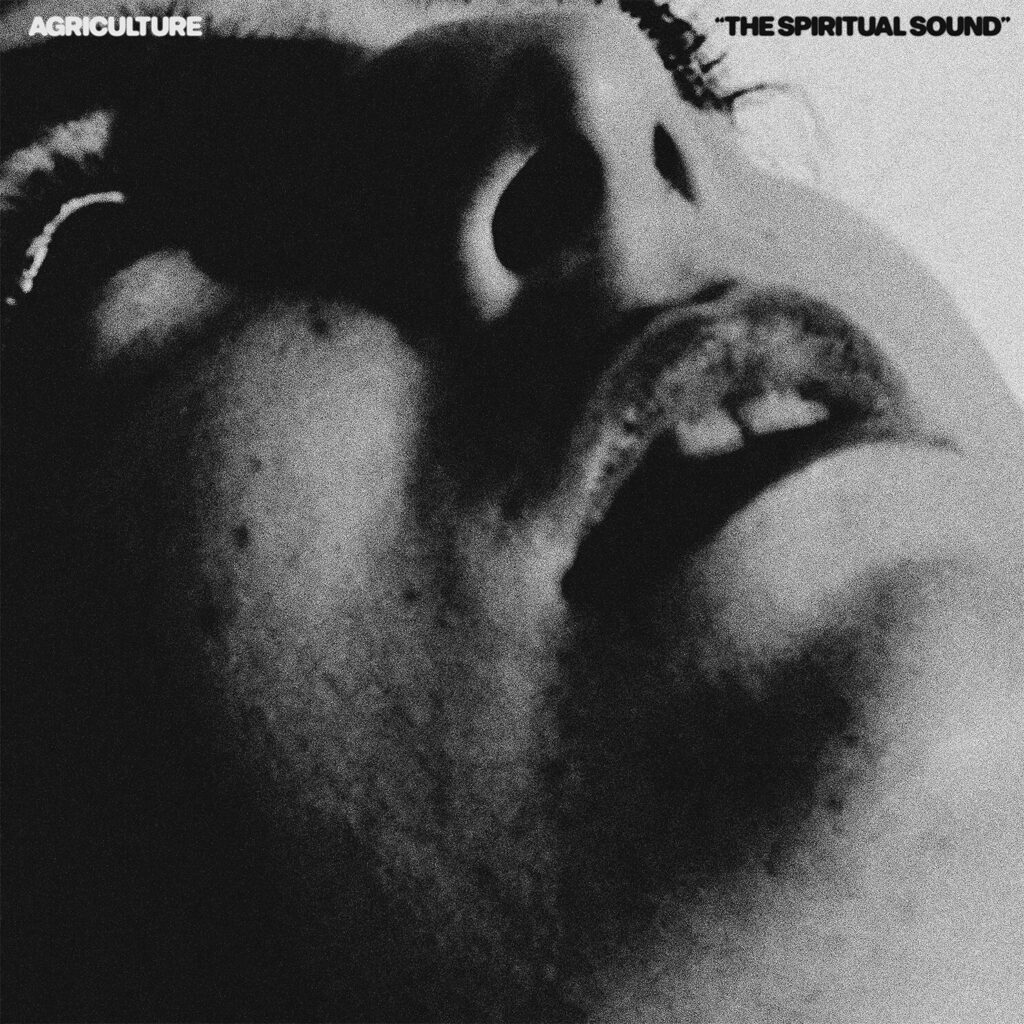
Comparison: The Spiritual Sound vs. Agriculture (2023)
| Aspect | Agriculture (2023) | The Spiritual Sound (2025) |
|---|---|---|
| Tone | Chaotic joy, primal energy | Mature, reflective transcendence |
| Production | Raw, live chaos | Clean, layered balance |
| Structure | Bursts of catharsis | Conceptual unity |
| Lyrical Focus | Existential awe | Spiritual endurance, queer identity |
| Influences | Deafheaven, Liturgy | Emma Ruth Rundle, Zen mysticism |
| Emotional Effect | Immediate euphoria | Sustained reflection |
“The joy remains, but it’s tempered by wisdom and pain.”
The debut felt like revelation—a band discovering ecstasy through distortion. The Spiritual Sound feels like understanding. The joy remains, but it’s tempered by wisdom and pain.
A Sacred Experience in Black Metal
Agriculture has grown from a fascinating experiment into a fully realized vision. The interplay between Meyer and Levinson’s voices—both literal and conceptual—has become a defining strength. Chowenhill’s production elevates every track, balancing clarity and chaos to deliver one of The Flenser’s most sonically accomplished releases.
The musicianship is fearless. Blast beats bleed into drones; shrieks dissolve into clean harmonies. Every texture feels earned. Agriculture no longer merely expresses emotion—they sculpt it.
With The Spiritual Sound, they’ve delivered a rare achievement: a black metal record that feels genuinely spiritual. It’s not about damnation or despair, but communion and catharsis. This isn’t background music—it’s a sacred experience.
Compared to their debut, this album trades raw energy for depth, chaos for comprehension. It’s less a sermon than a meditation, inviting the listener to inhabit both pain and beauty.
“A black metal record that feels genuinely spiritual.”
Agriculture doesn’t just perform transcendence—they embody it.