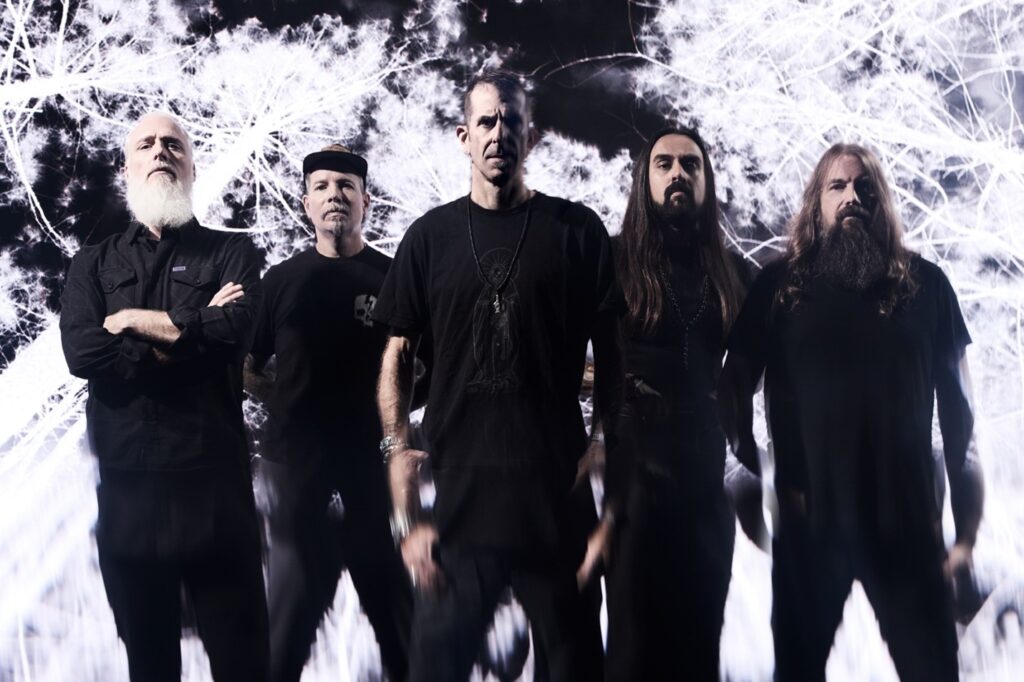
Twenty-five years deep, five Grammy nods, two million albums sold — Lamb of God have nothing left to prove, and Into Oblivion sounds exactly like a band who knows it. That freedom has produced something genuinely exciting: a tenth record that doesn’t chase relevance but earns it.
The Richmond five-piece have been on a quiet upward trajectory since the uneven VII: Sturm und Drang tested fan patience. Omens tightened the screws; Into Oblivion breaks them off entirely. Produced once again by Josh Wilbur, it’s the leanest LOG record since As the Palaces Burn — 39 minutes, no fat, no filler apologies. Every second is intentional.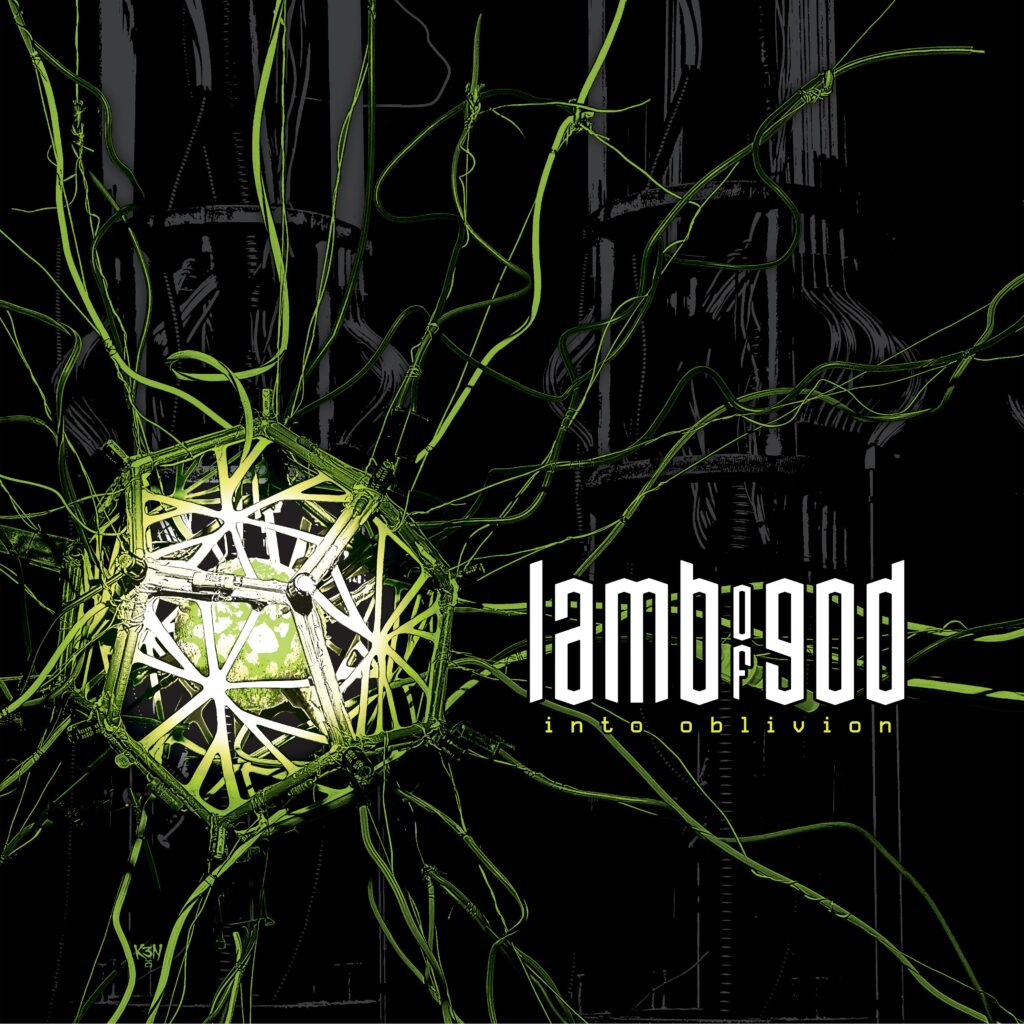
The title track opens with Morton and Adler’s signature tangle of chugs and spindly leads, Randy Blythe inhabiting the role of some nameless existential force — “the bringer of the truth from which you run.” It’s a mission statement dressed as a riff. “Parasocial Christ” follows immediately and absolutely does not let up: a thrashy demolition of social media dependency and hollow influencer culture that ranks among the best things LOG have written this decade. Blythe is vicious here, his delivery weaponizing the lyric “empty pages in a glowing casket” with the kind of contempt only earned through years of watching the scene warp around algorithmic incentives.
“Sepsis” is the real wildcard. Taking direct cues from the early ’90s Richmond underground — Breadwinner, Sliang Laos, the basement DNA of Burn the Priest — it opens with a reverb-soaked Campbell bass line before lurching into something filthy and sludge-adjacent. Blythe recorded his vocals at Total Access in Redondo Beach, the same room that gave us Black Flag’s My War, and you can feel that lineage. “The Killing Floor” and “Blunt Force Blues” are pit-ready bruisers built for festival stages and confirm that Art Cruz has, definitively, answered any lingering questions about the drum throne.
The album’s most surprising moment is “El Vacío,” a near-ballad where Morton and Adler build a slow, moody atmospheric swell beneath Blythe’s most melodic vocal performance on record. It shouldn’t work in the middle of a Lamb of God album. It absolutely does. “A Thousand Years” follows a similar slow-burn logic, dripping with Southern swagger before opening into something darker and more cinematic. Both tracks suggest a band actively resisting the pressure to be only one thing.
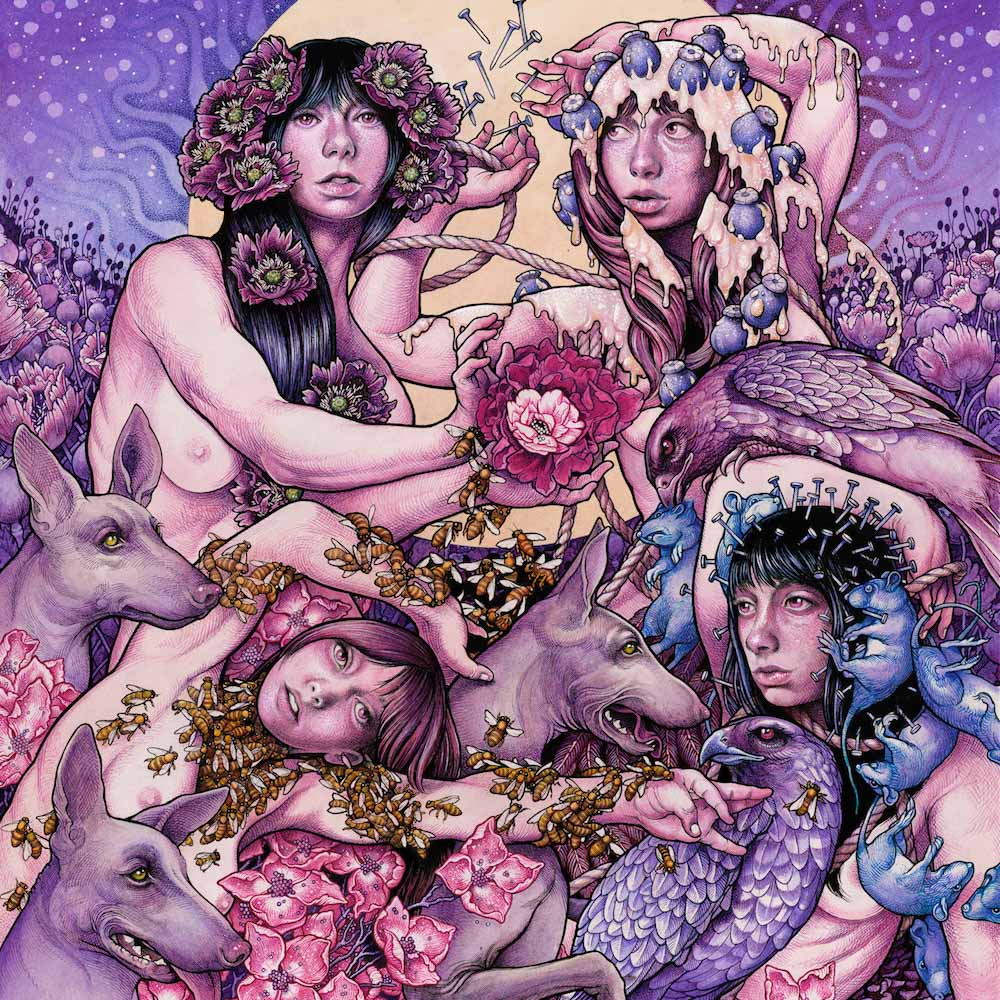
Where Into Oblivion occasionally stumbles is in its more conventional moments — “Bully” occupies four-plus minutes without leaving much of a mark — and the album artwork and rebrand feel disconnected from the weight of what’s inside. Minor grievances against a largely excellent record.
Blythe has called this album a document of “the ongoing and rapid breakdown of the social contract,” and across ten tracks, LOG make that thesis feel earned rather than preachy. This isn’t a band chasing the cultural conversation; it’s a band that’s been watching it curdle for thirty years and finally putting the full ugliness on tape. Into Oblivion might be the best thing Lamb of God have done since Wrath. Welcome back.