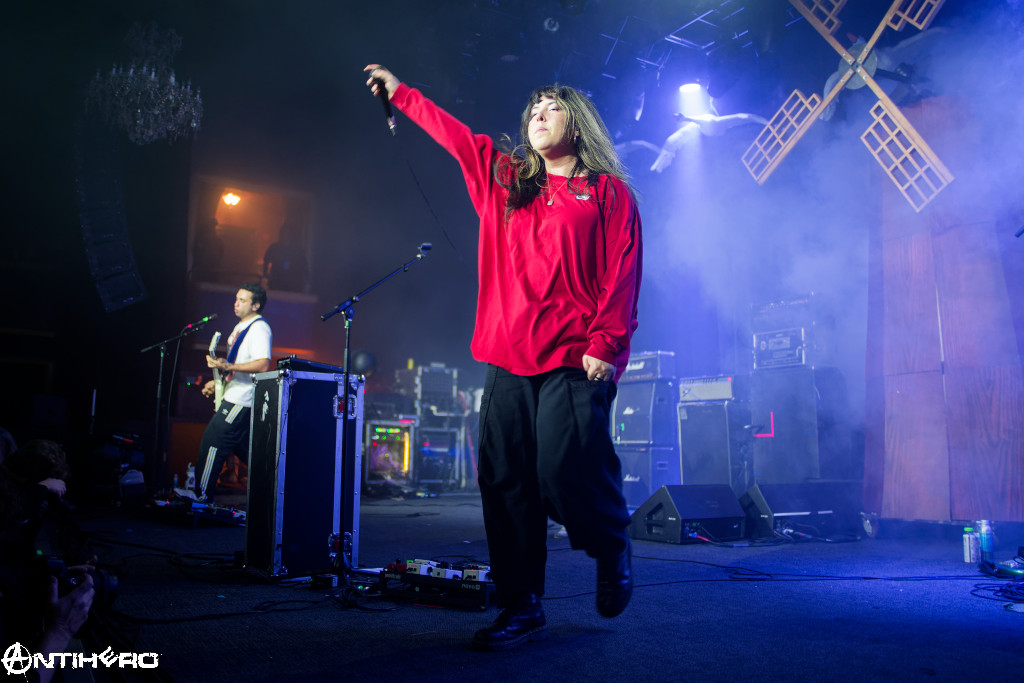
Fleshwater & Chat Pile – The Fillmore, San Francisco – October 9, 2025
SOLD OUT
Words and Photos by Scott Martin | Antihero Magazine “The night at The Fillmore was proof that heaviness doesn’t always mean darkness—it can mean honesty, catharsis, and connection.”
Some concerts leave you thrilled, and then there are the rare ones that leave you altered. On a Thursday night in San Francisco, The Fillmore hosted one of those rare events. The sold-out double bill of Fleshwater and Chat Pile offered two very different interpretations of heaviness: one emotional and melodic, the other corrosive and chaotic. Both were unforgettable.
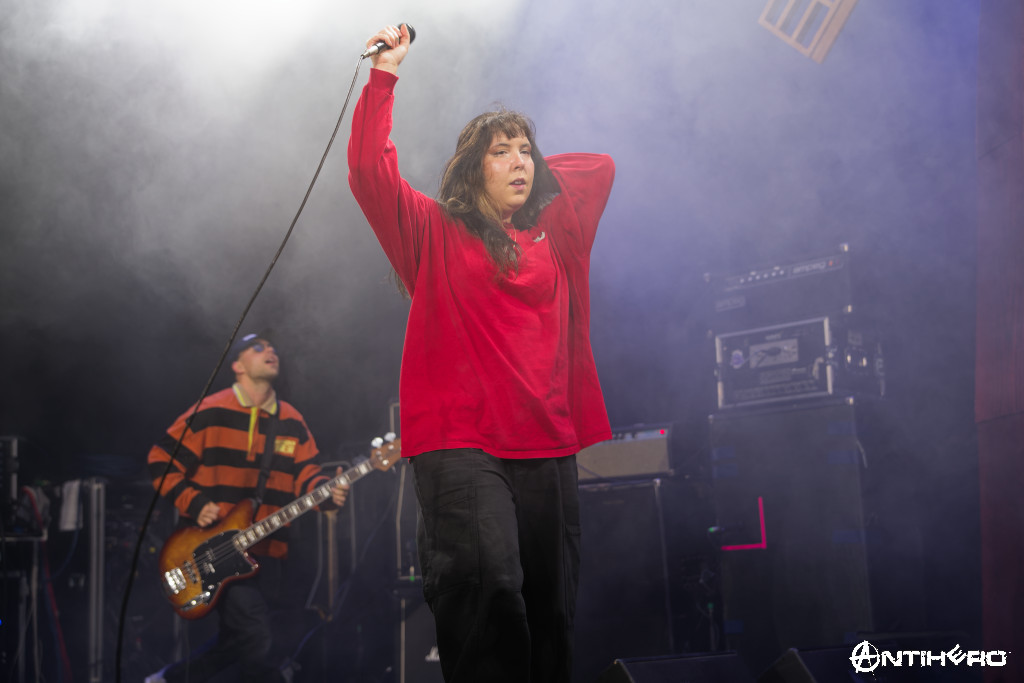
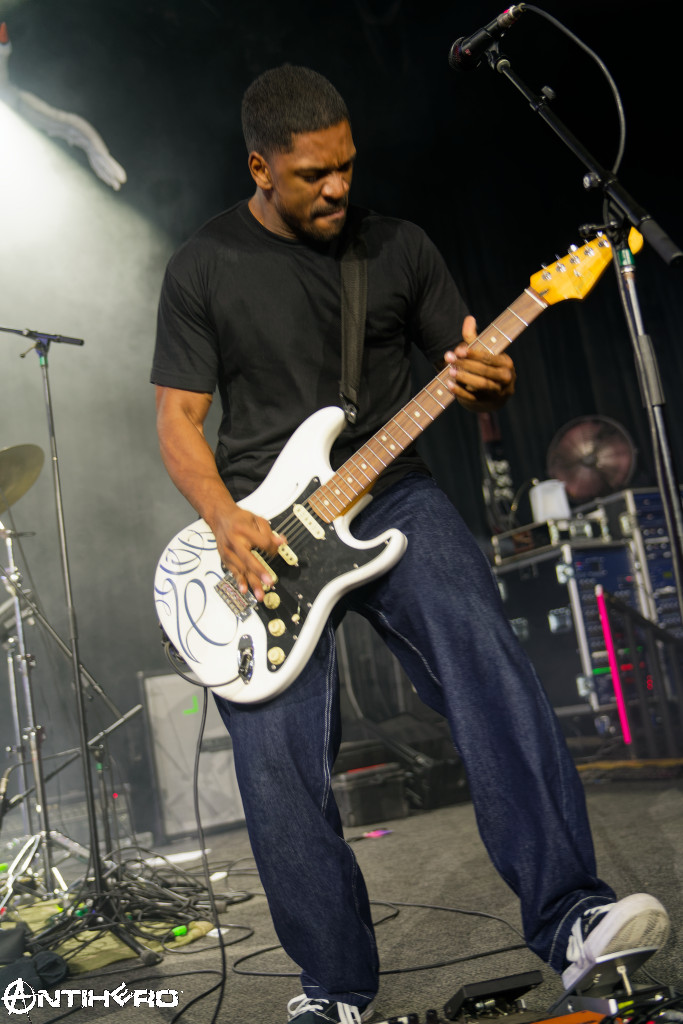
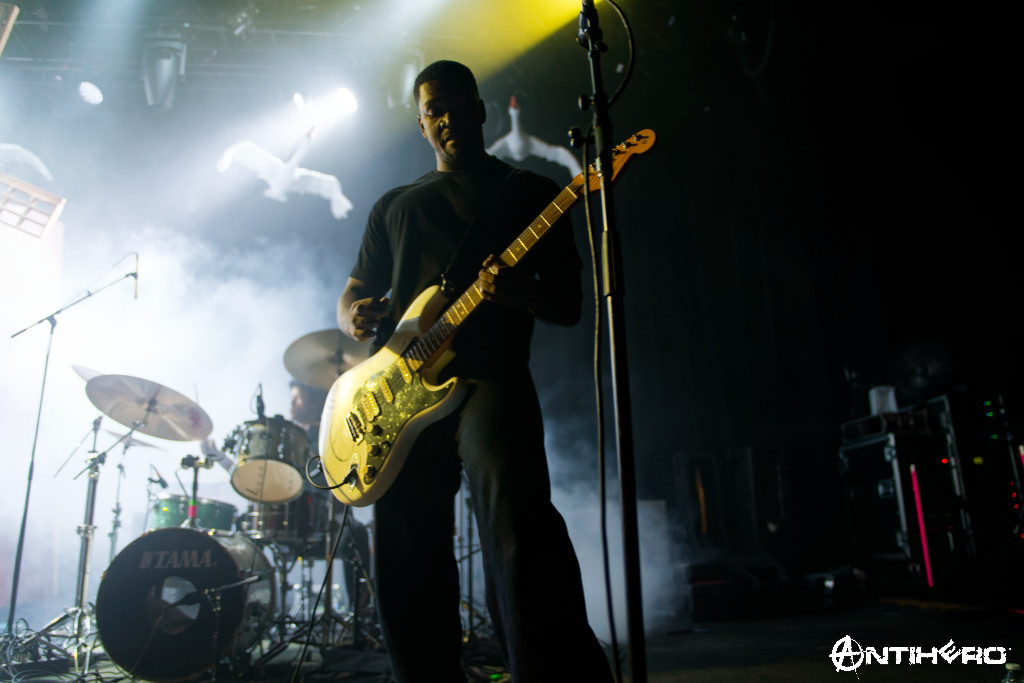
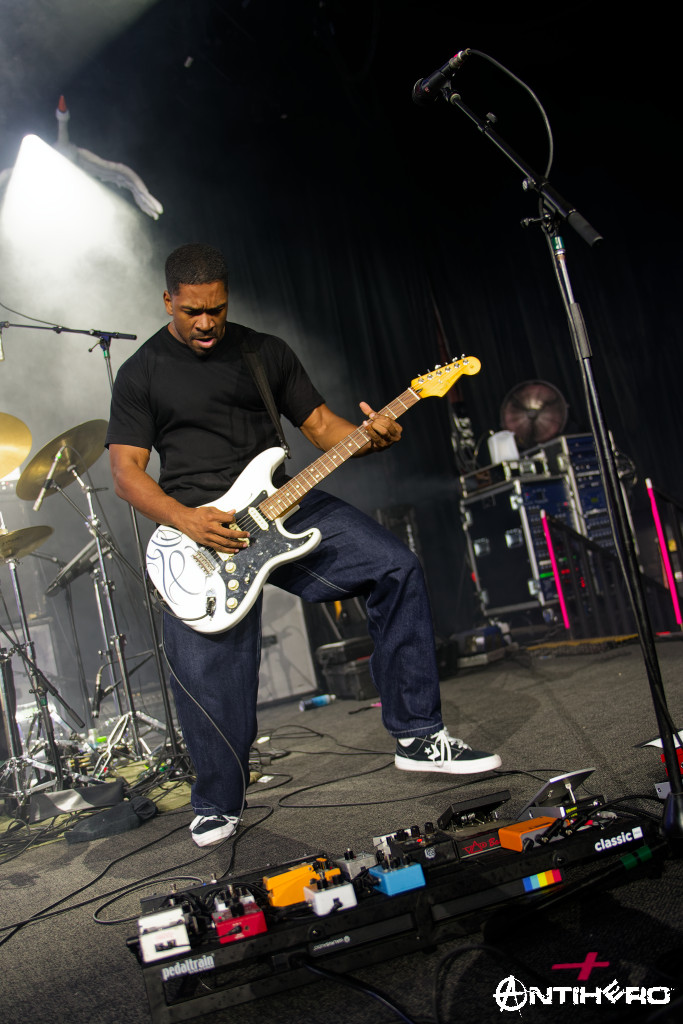
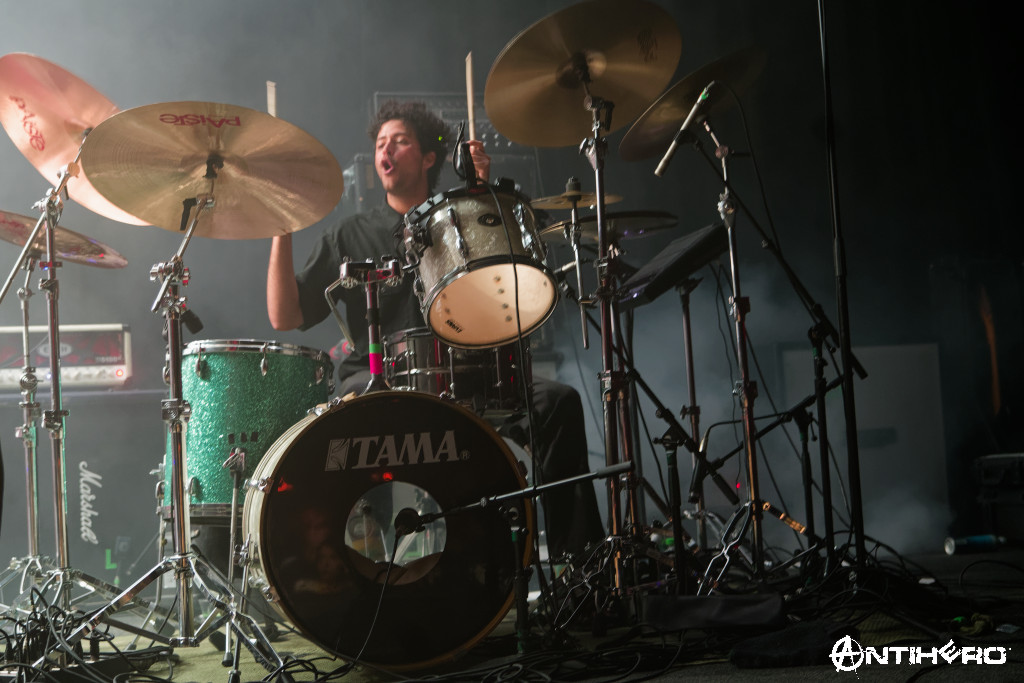
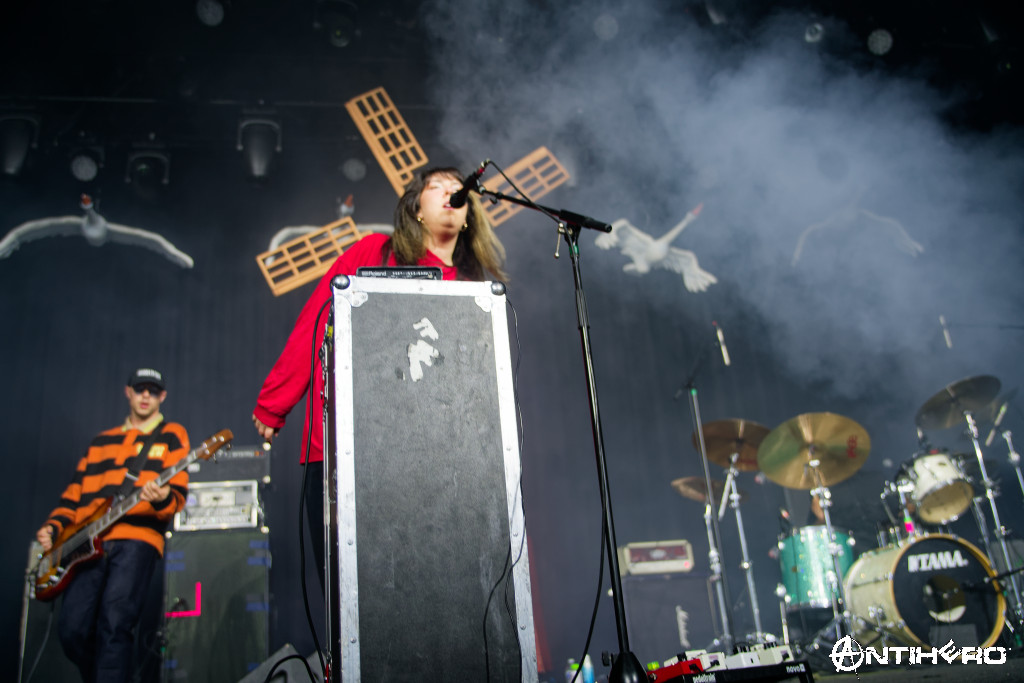
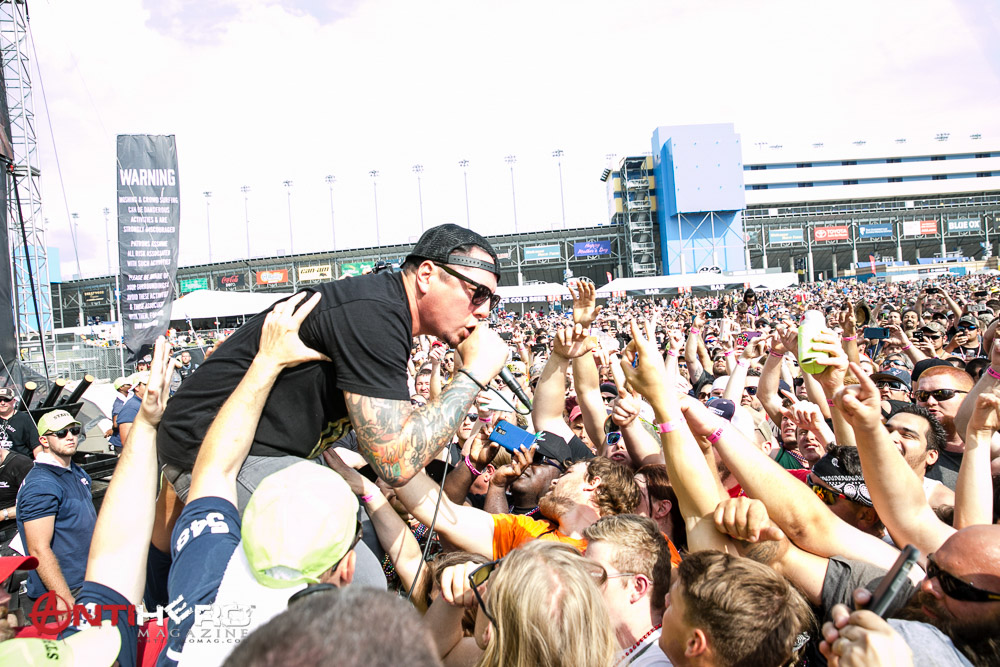
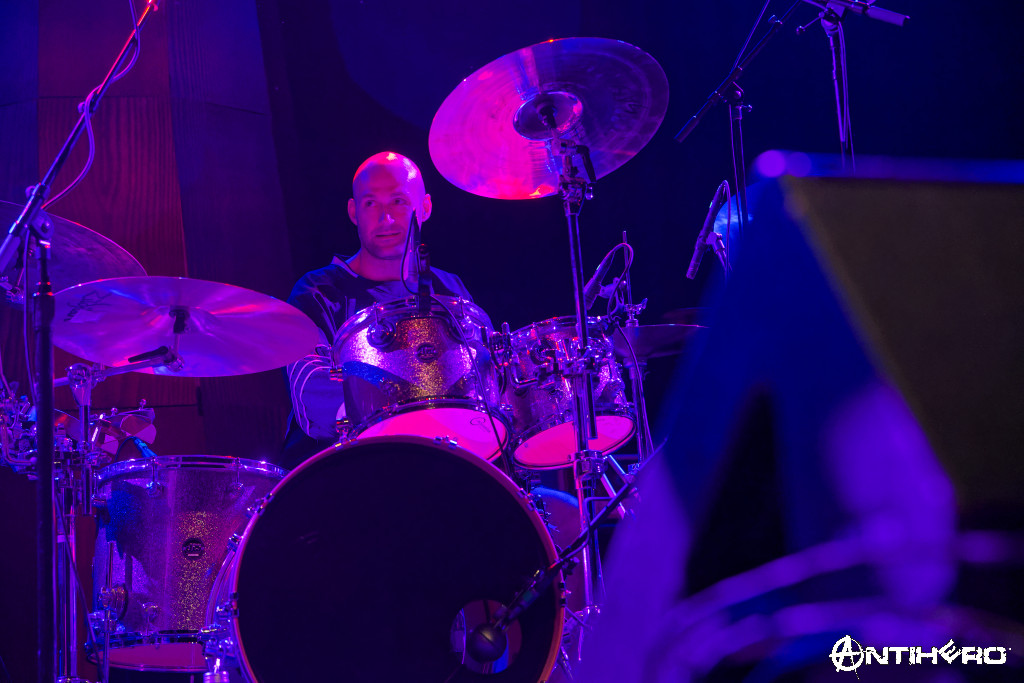
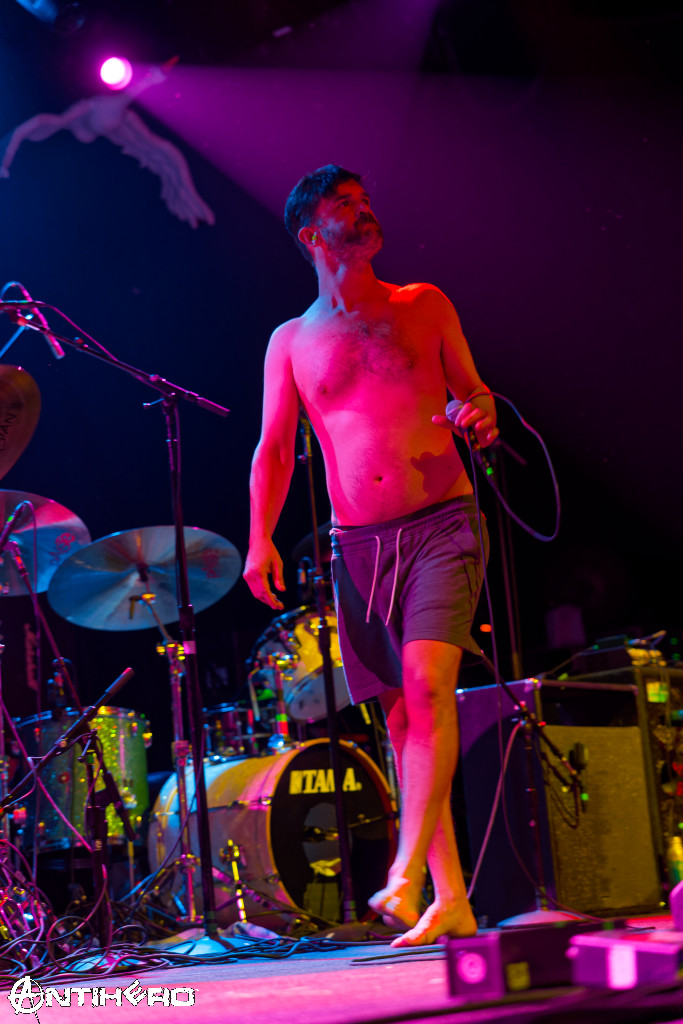
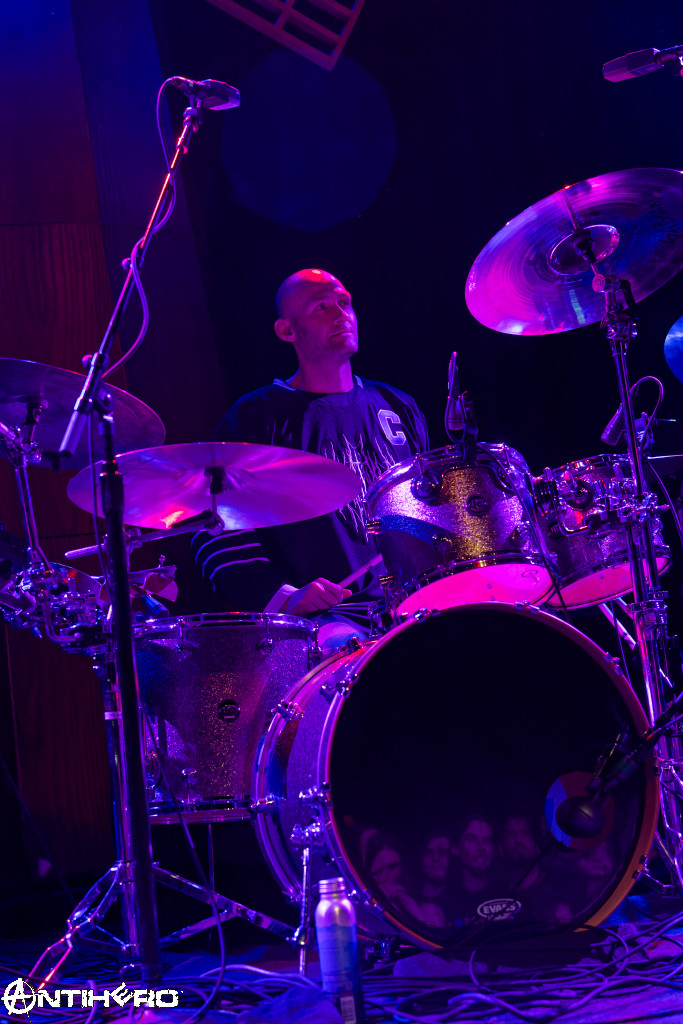
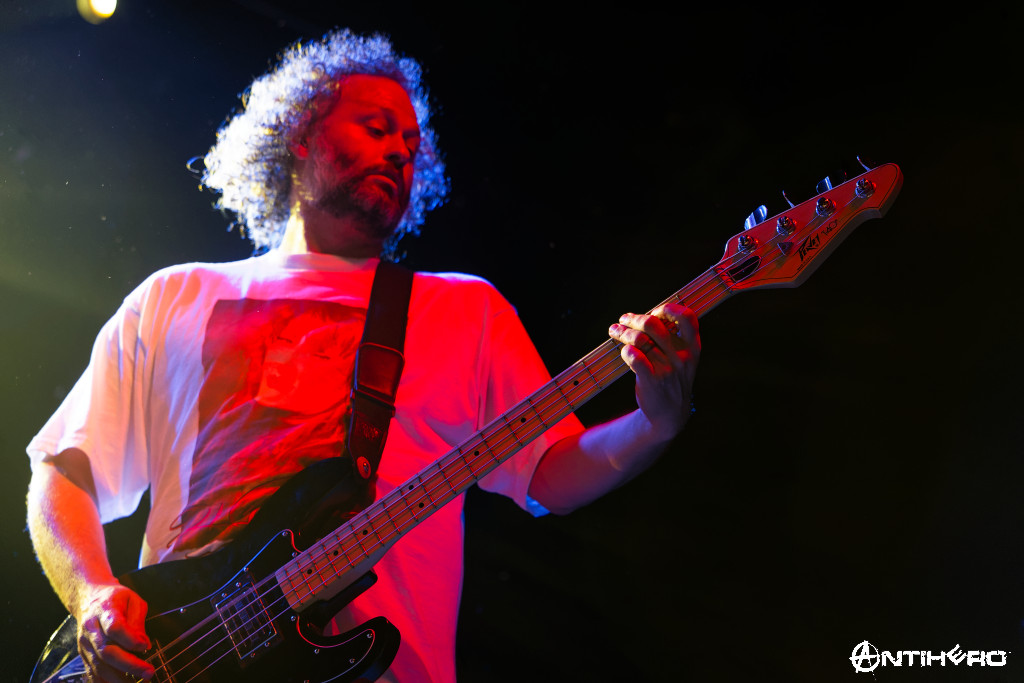
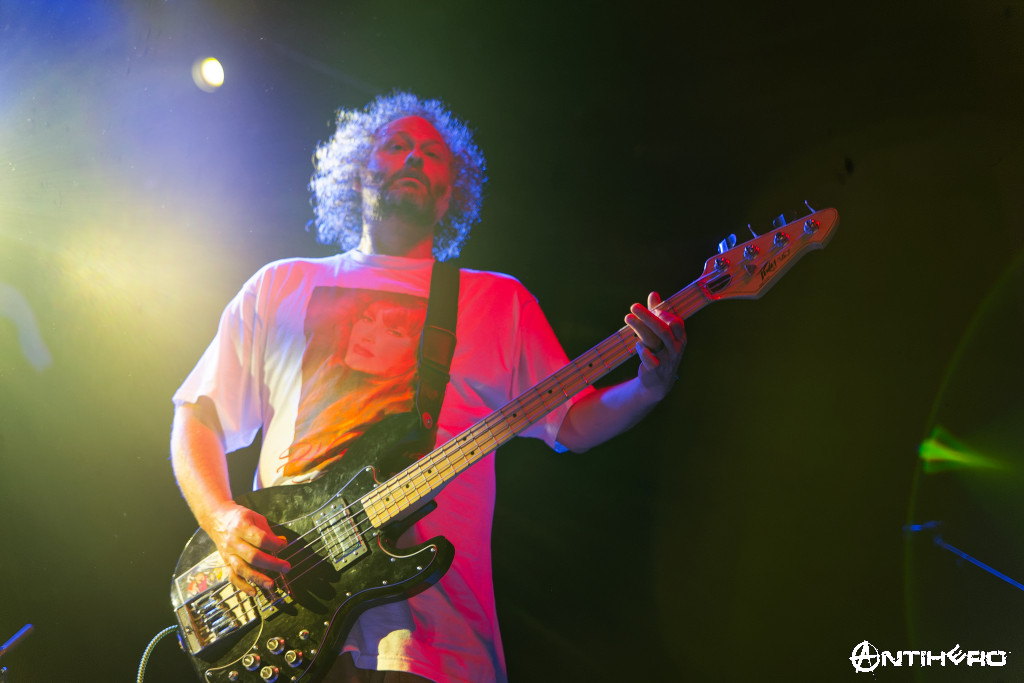
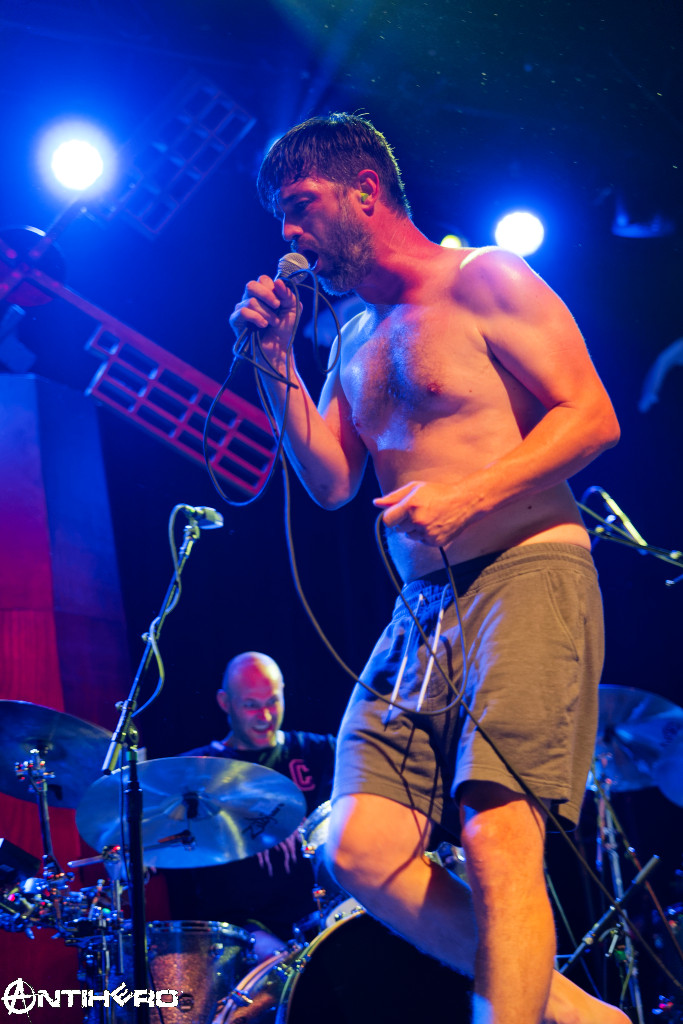
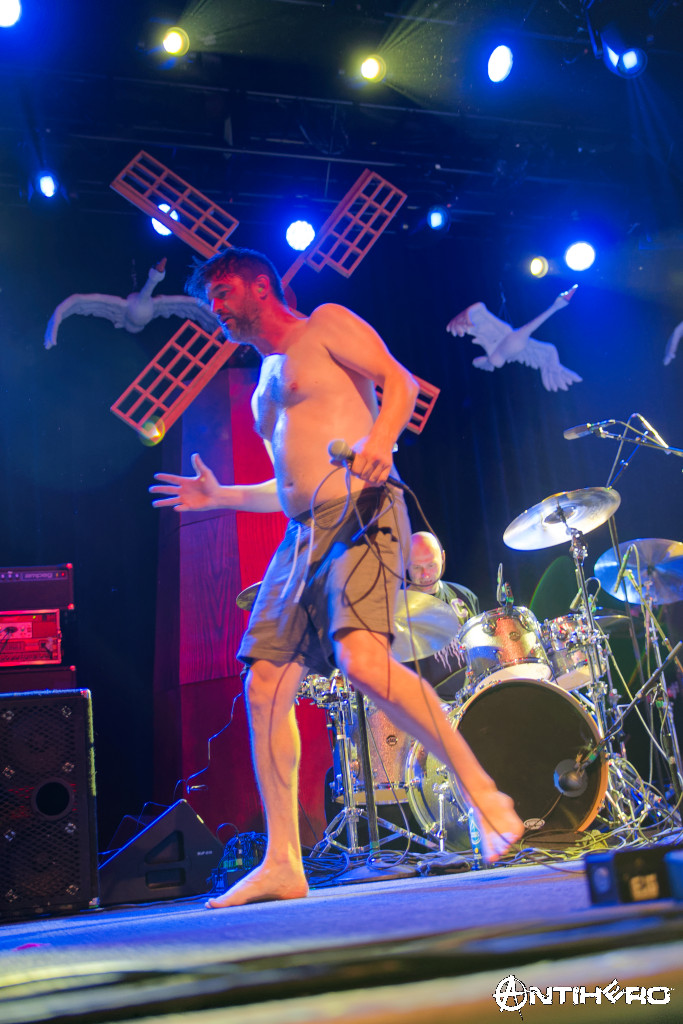
Oklahoma City’s Chat Pile opened the night with a set that felt like staring directly into the heart of modern despair. Raygun Busch (vocals, synth), Luther Manhole (guitar, glockenspiel, synth), Stin (bass, tape loops), and Cap’n Ron (drums) didn’t so much perform as detonate.
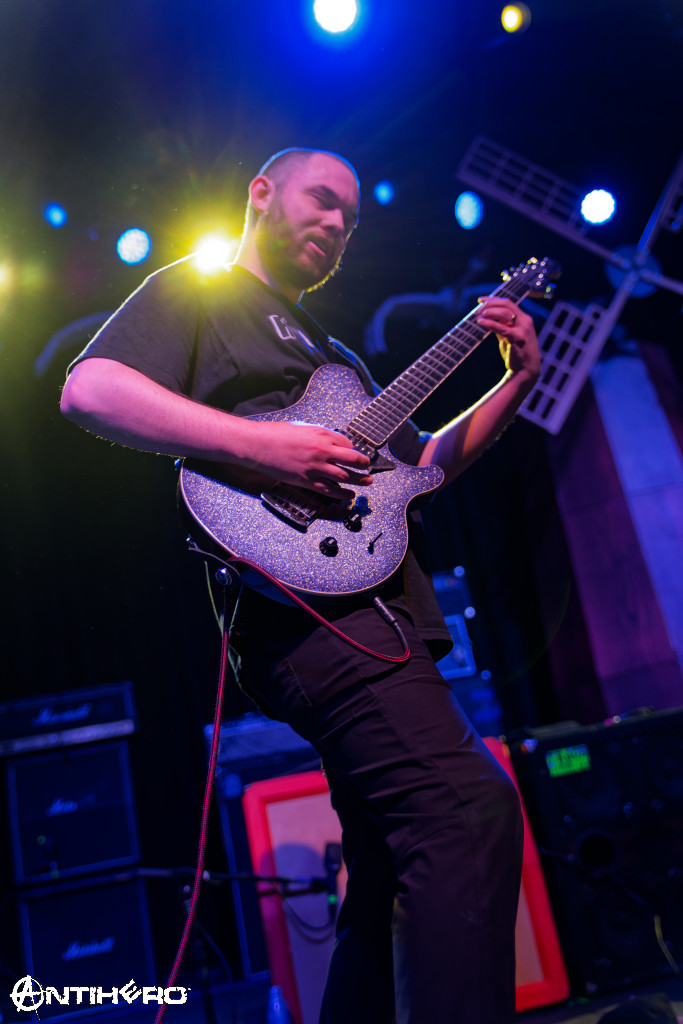
The set began with “I Am Dog Now,” a slow-burning descent into sludge and self-loathing. Busch hunched at the microphone, muttering between lines, then exploding into shrieks that rattled the chandeliers. “Shame” followed, its hypnotic rhythm and dead-eyed mantra sending shivers through the room. The contrast between Luther’s angular guitar tone and Stin’s crushing bass made every note feel uncomfortably close.
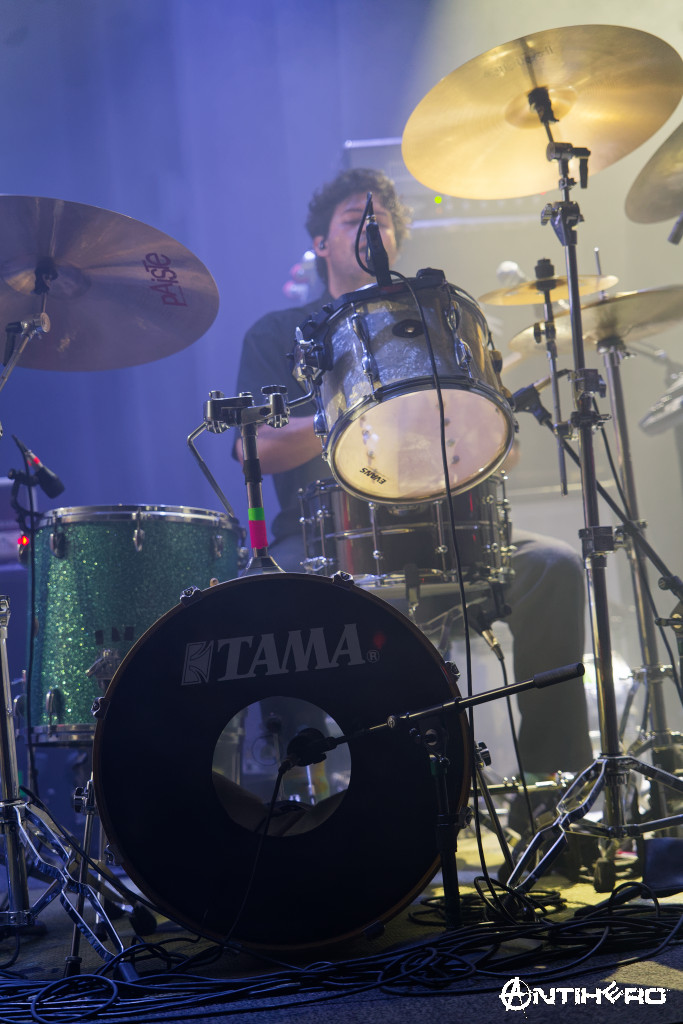
By “Frownland,” the pit had turned kinetic— bodies slamming, lights pulsing blood-red. Cap’n Ron’s drumming gave the chaos a heartbeat, his cymbal crashes slicing through the mix like artillery.
Then came “Why.” It was devastating. Busch’s infamous cry—“Why do people have to live outside?”—echoed across the hall like a sermon for the forgotten. The crowd screamed it back, a collective howl of empathy and rage.
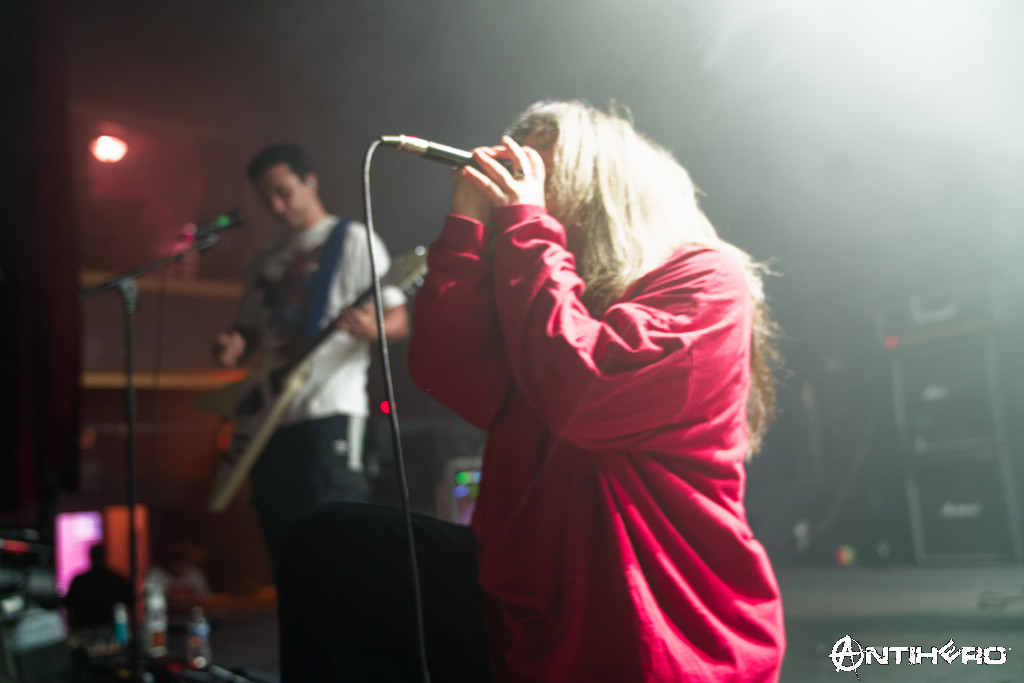
The middle stretch (“Tropical Beaches, Inc.” and “Masc”) revealed the band’s grotesque groove—sludge riffs twisting into post-punk rhythms while Busch lurched across the stage, equal parts poet and madman. “Pamela” delivered one of the night’s most chilling moments, its slow build erupting into a scream that blurred the line between agony and transcendence.
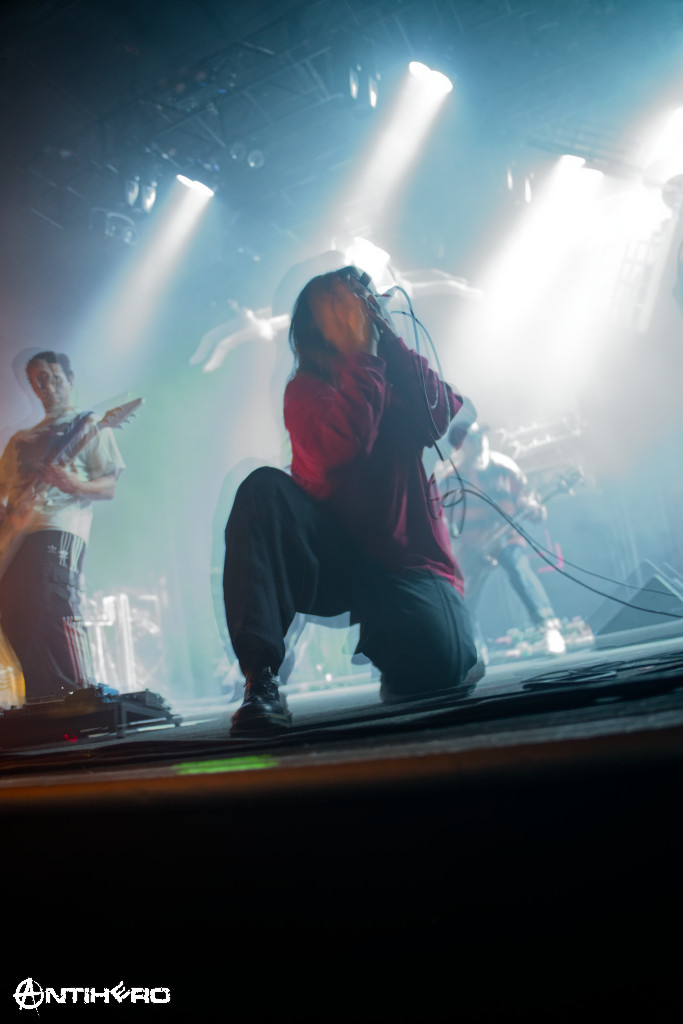
The set closed with “Funny Man” and “Crawlspace.” Luther coaxed piercing feedback as Busch collapsed to his knees, whispering into the mic before disappearing into the noise. The song’s last sustained chord hung in the air like a ghost, the crowd standing motionless before erupting into applause. Chat Pile didn’t entertain—they exorcised.
Chat Pile Setlist: “Fleshwater offered redemption through distortion and melody, turning pain into beauty.”
I Am Dog Now
Shame
Frownland
Why
Tropical Beaches, Inc.
Masc
Pamela
Funny Man
Crawlspace
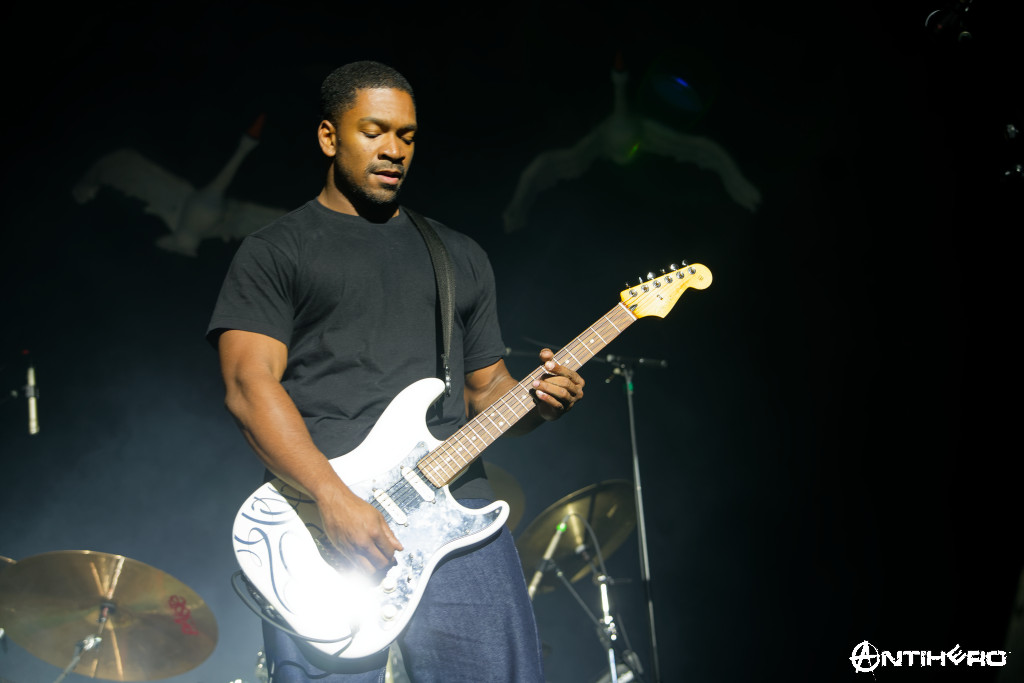
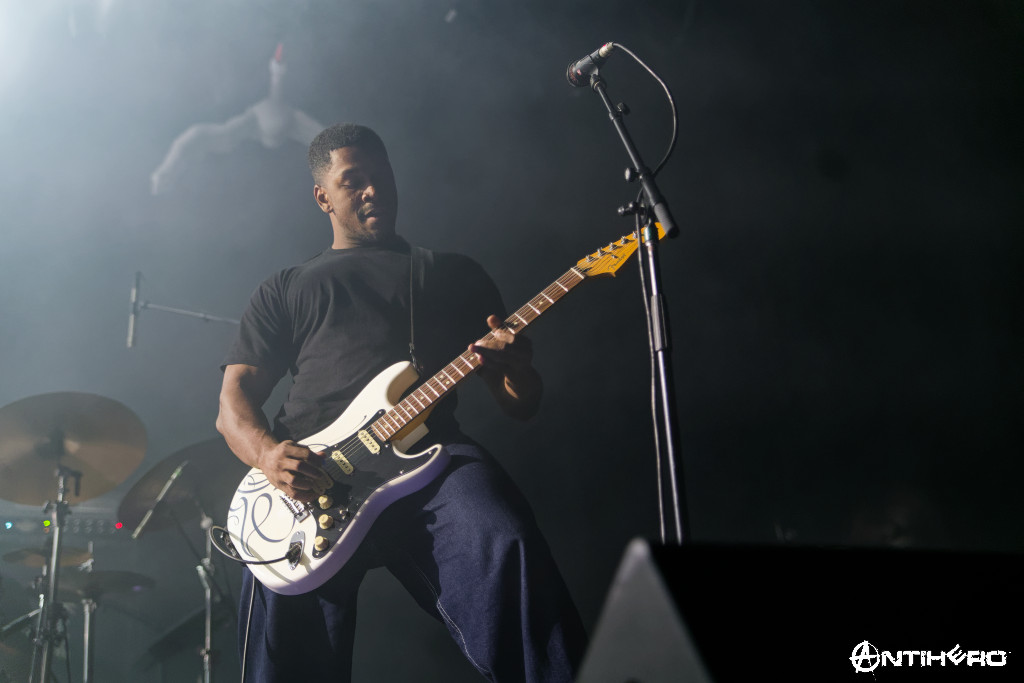
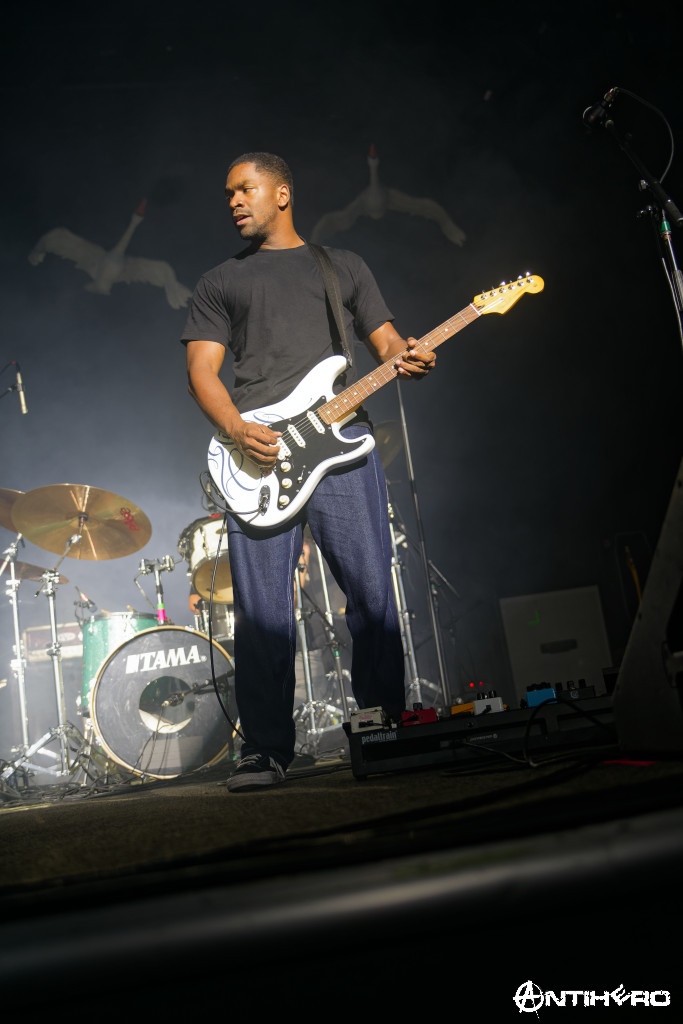
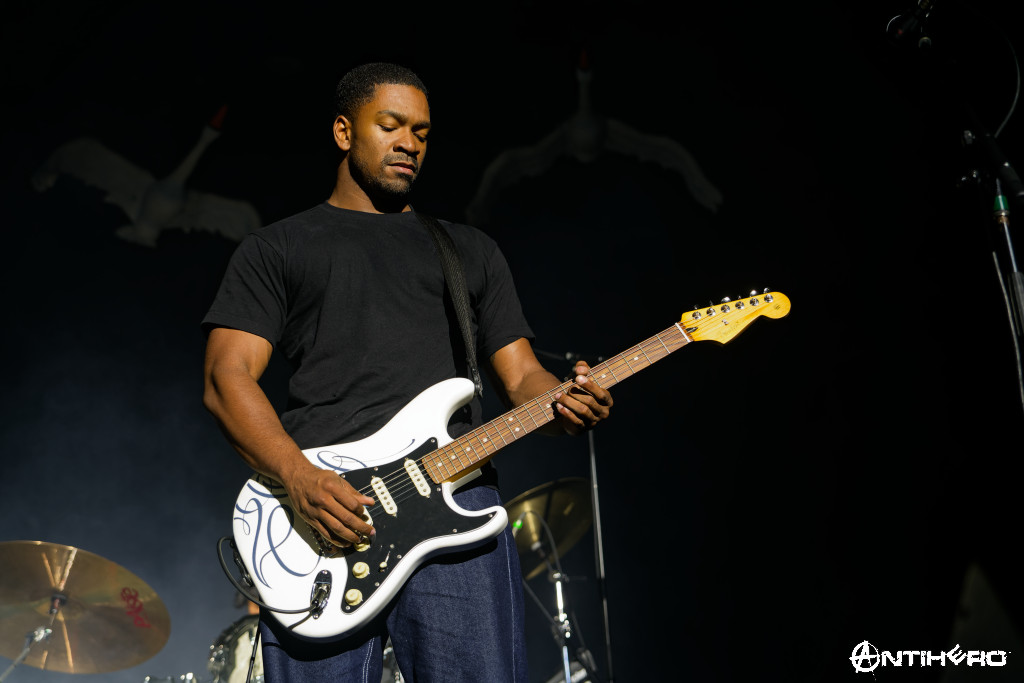
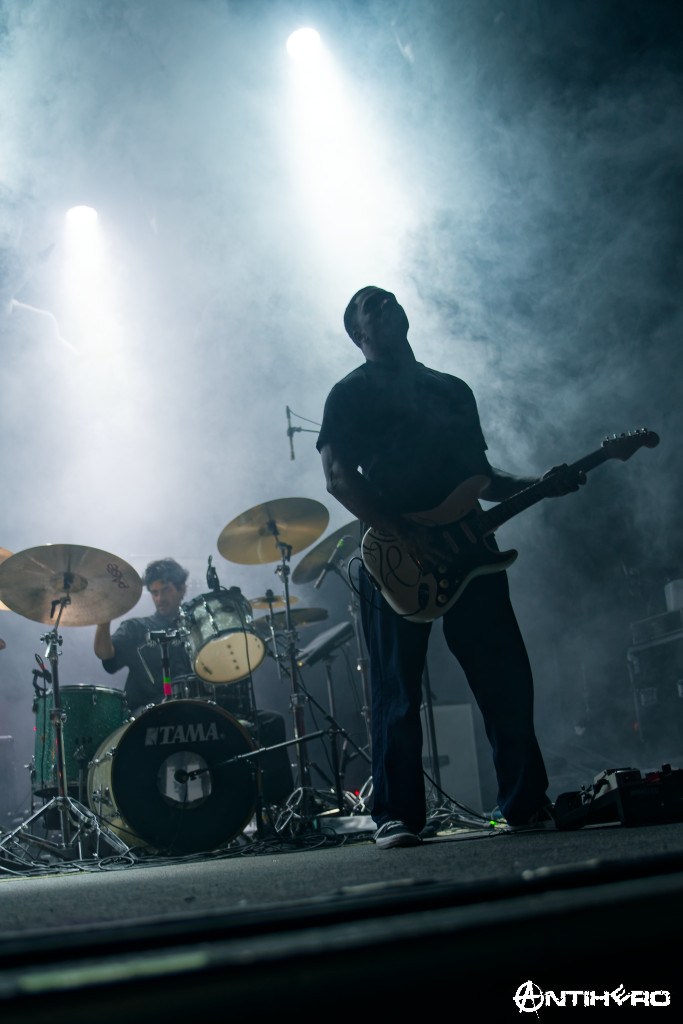
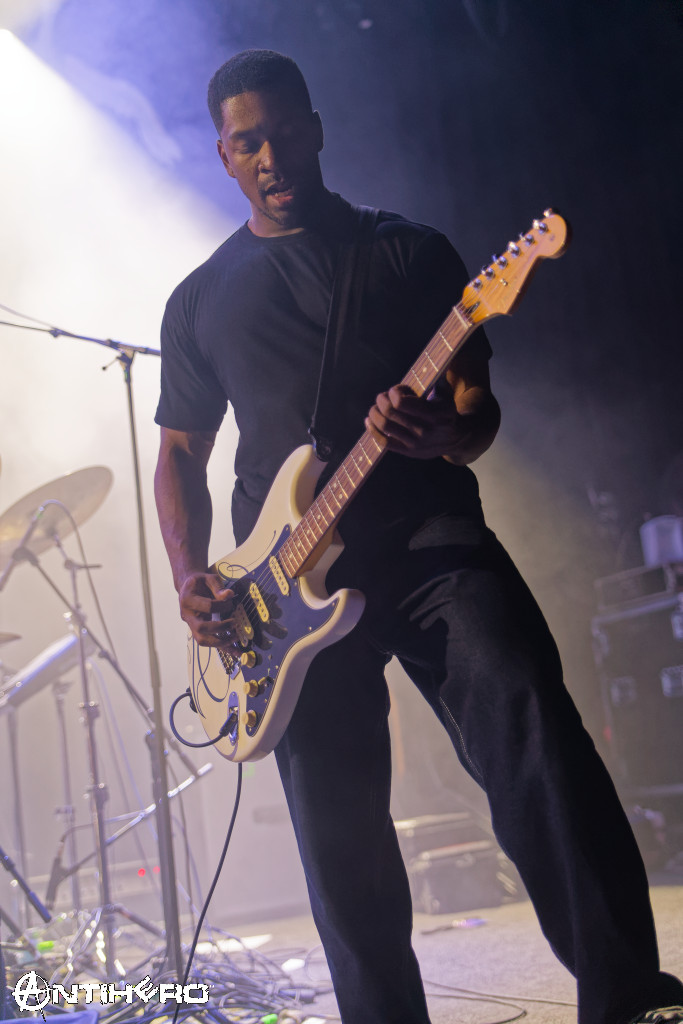
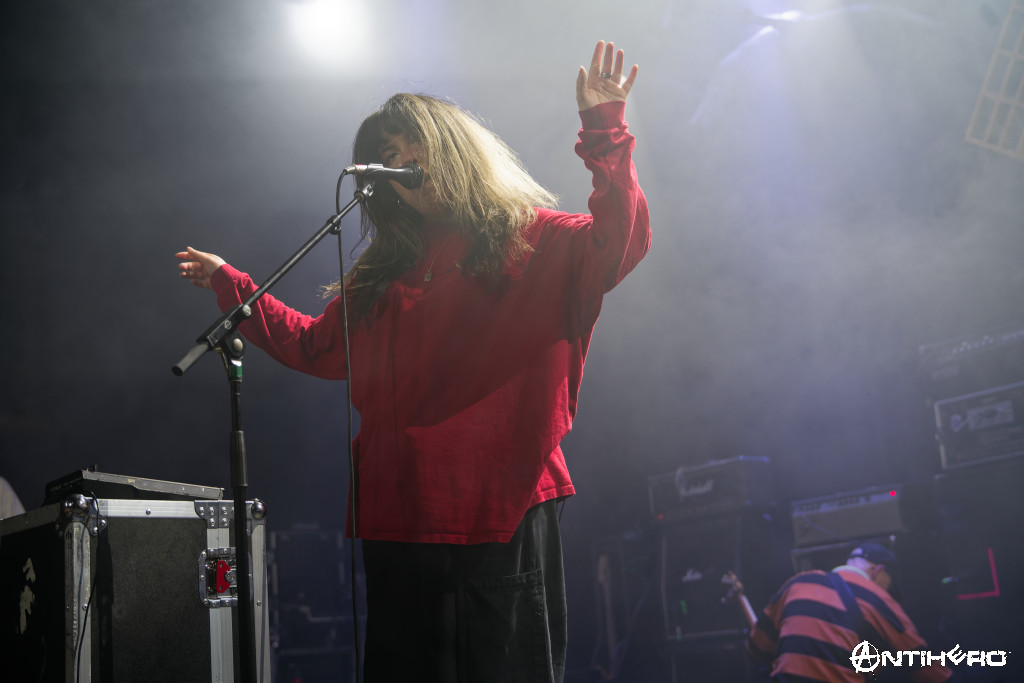
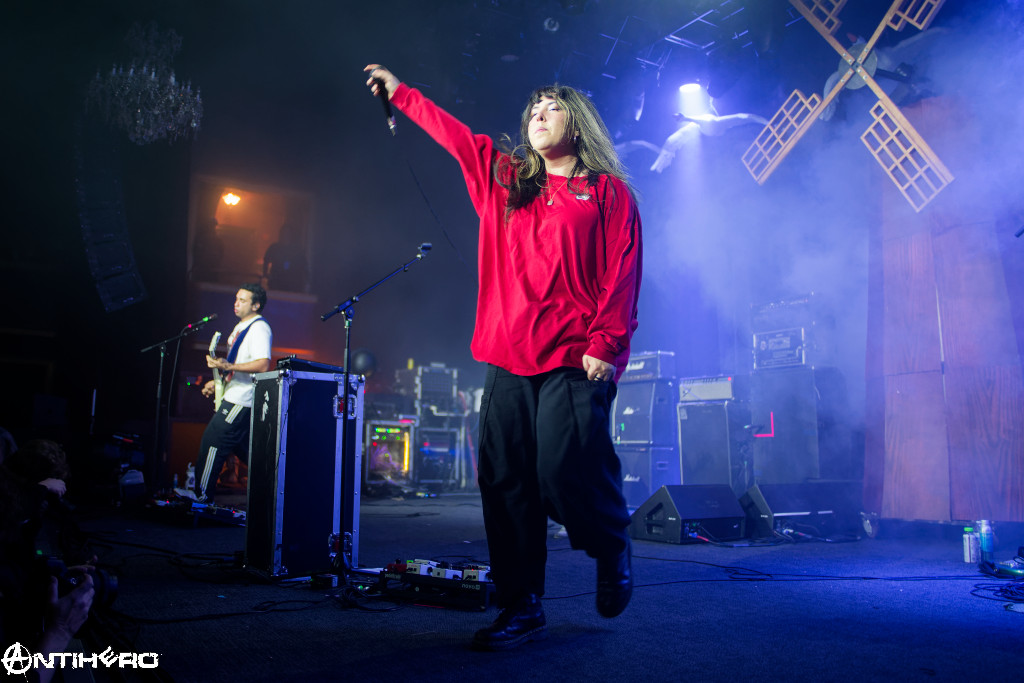
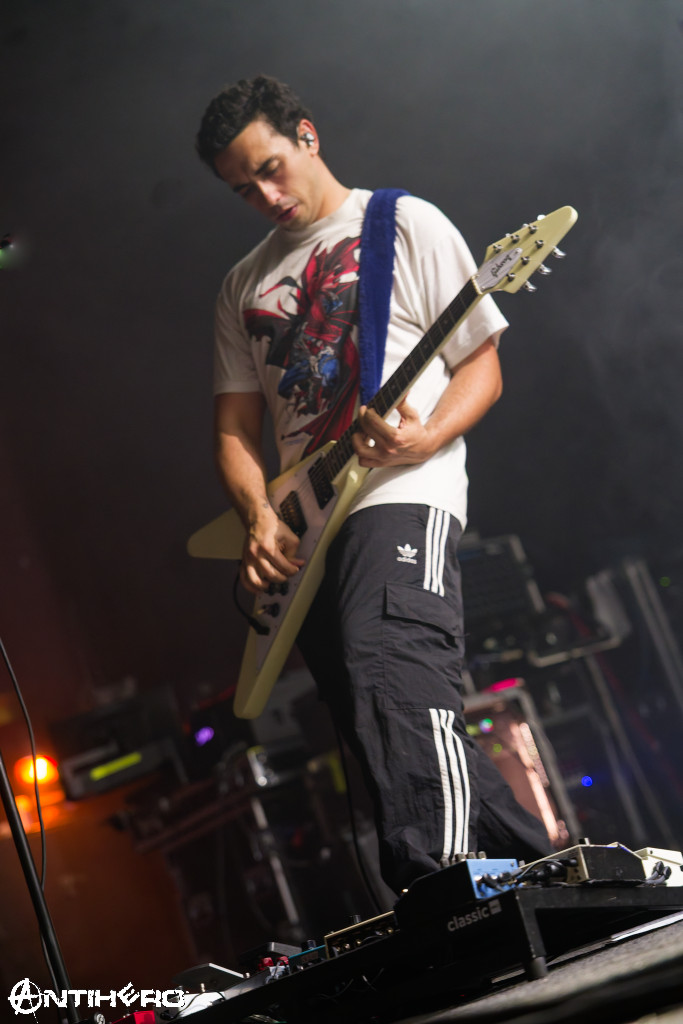
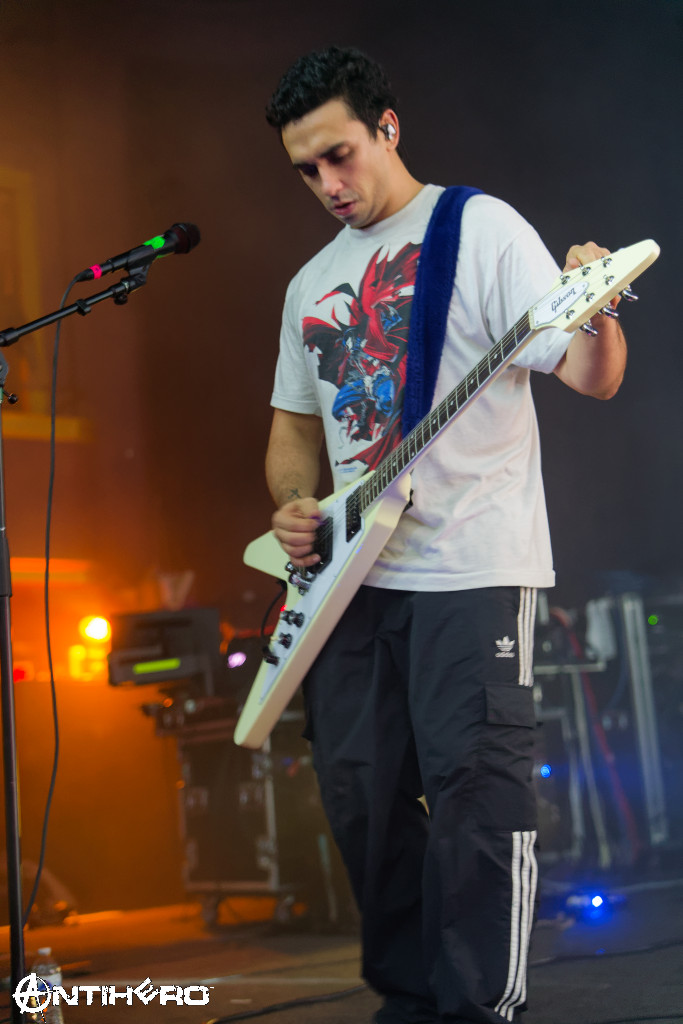
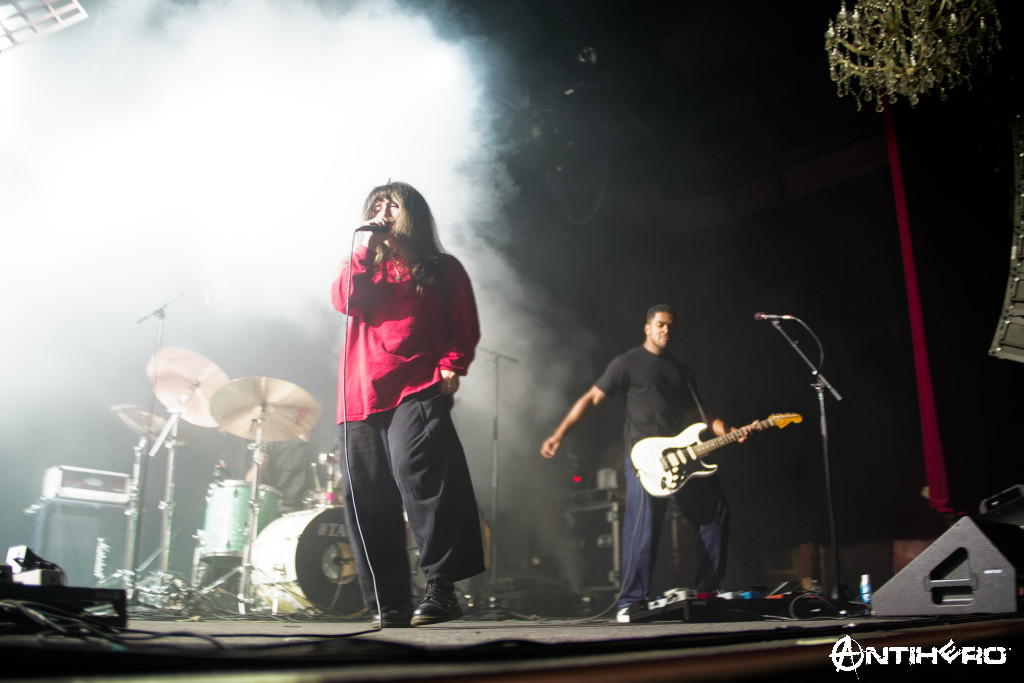
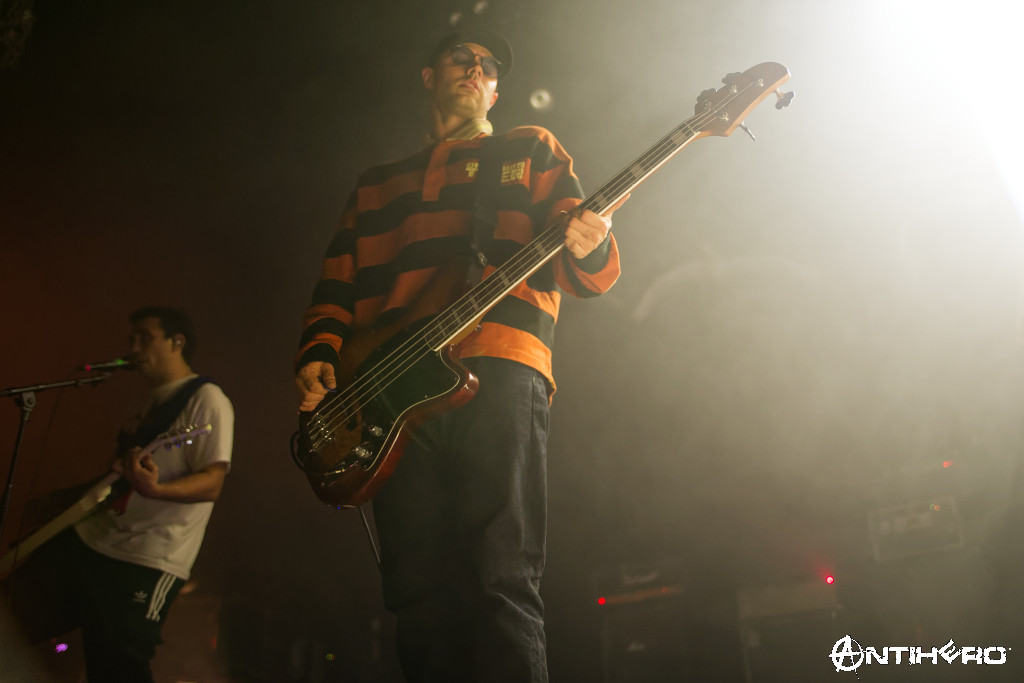
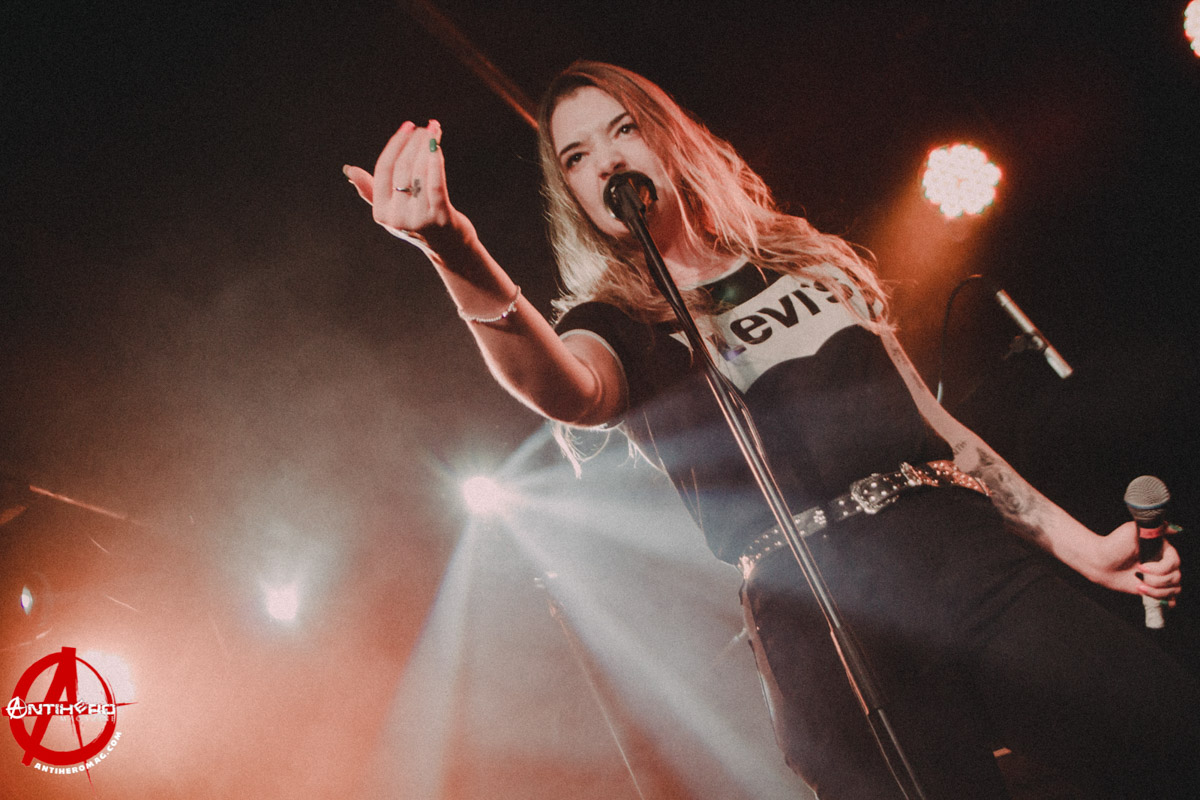
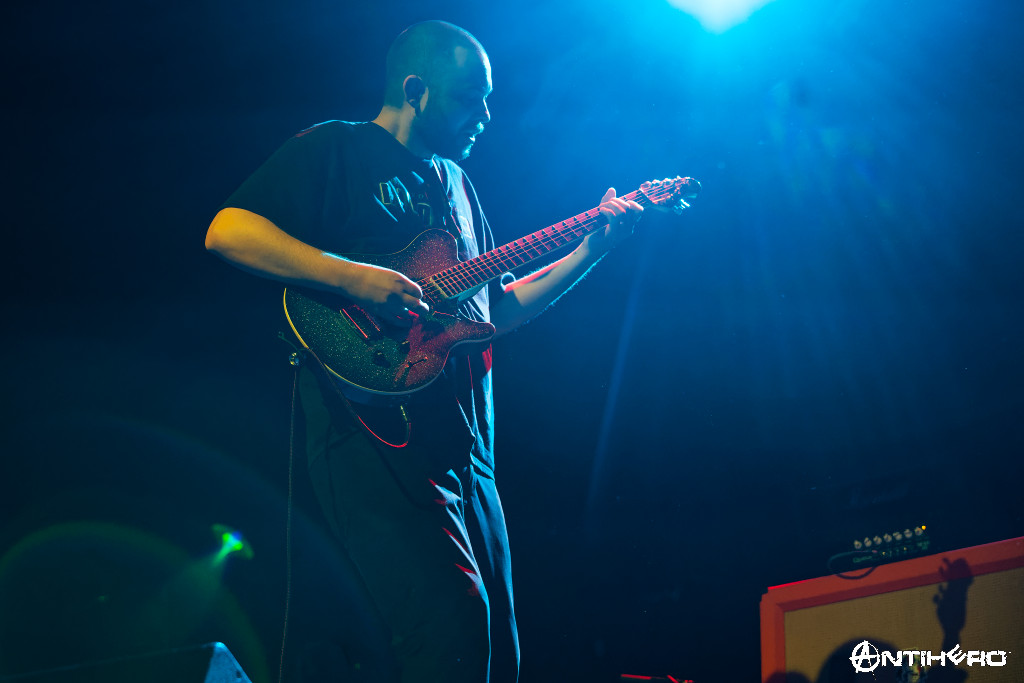
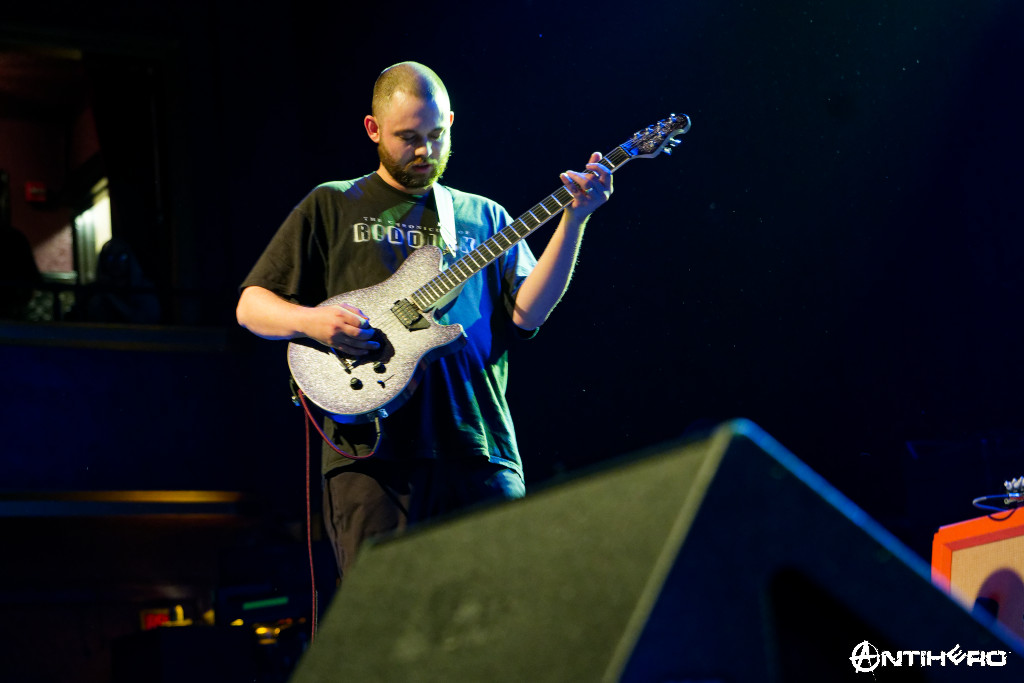
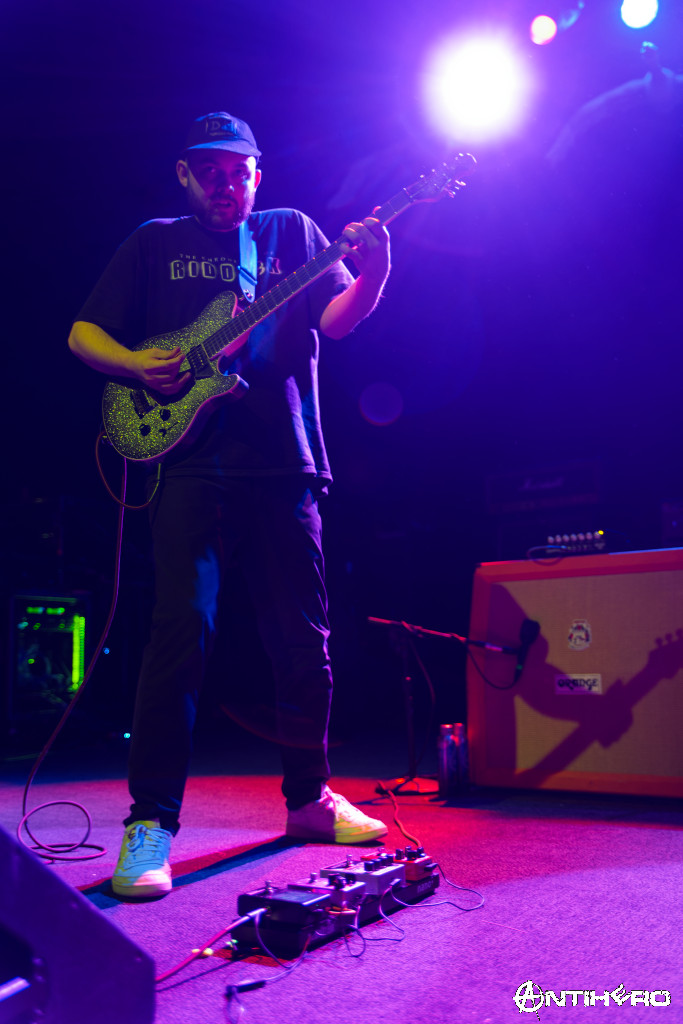
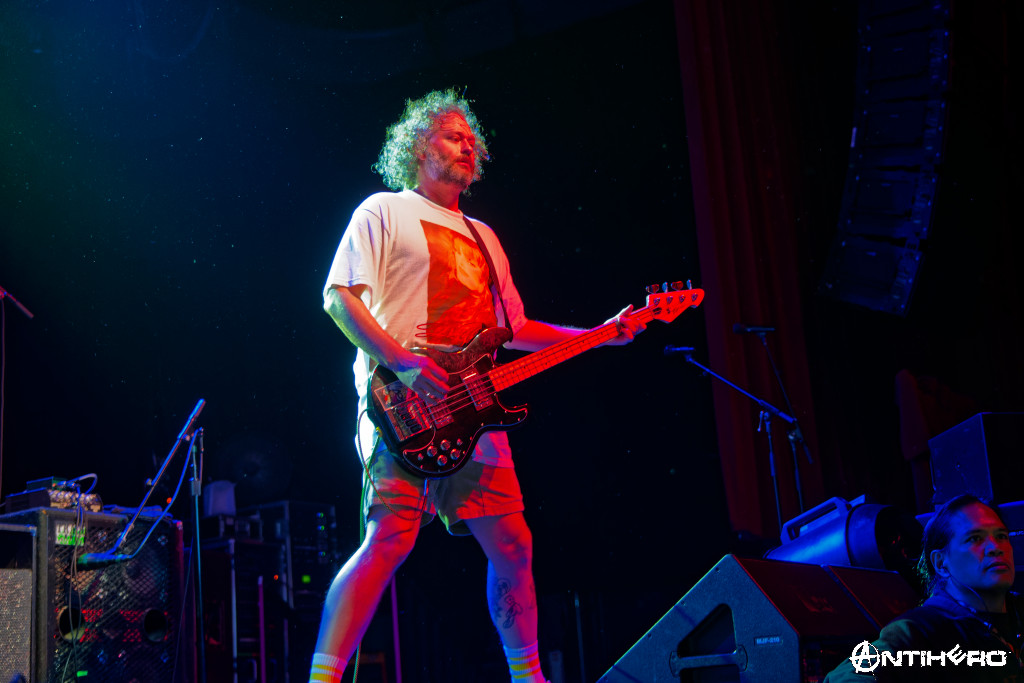
After Chat Pile’s descent into psychological ruin, Massachusetts’ Fleshwater took the stage to rebuild what had been torn down. The lineup—Marisa Shirar (vocals, guitar, keyboards, sampler), Anthony DiDio (guitar, vocals), Jeremy Martin (bass), Jon Lhaubouet (guitar), and Josian Omar Soto Ramos (drums)—crafted a set that felt both intimate and immense.
They opened with “Drowning Song,” the guitars swelling in a tidal surge while Shirar’s voice floated effortlessly above the noise. Her delivery—soft, aching, yet confident—commanded total silence from the audience. “Green Street” deepened the haze, its shimmering chords and low, pulsing bass creating a hypnotic push-and-pull. When “Jetpack” kicked in, the crowd surged forward, voices rising with the chorus as Ramos’s drumming thundered through the mix.
Then came a stunning reinterpretation of Björk’s “Enjoy.” The trip-hop original became something entirely Fleshwater’s own: towering, slow, sensual, and crushing. Shirar’s haunting vocals and DiDio’s distortion-soaked leads collided into one of the evening’s defining moments—both reverent and ruinous.
The mid-set run—“Linda Claire,” “What Was Really Said,” and “Last Escape”—was pure emotional release. “Linda Claire” shimmered with sadness, every note trembling like a heartbeat. On “What Was Really Said,” DiDio joined in on vocals, his rougher tone grounding the dreamlike atmosphere. “Last Escape” slowed things to a crawl—its final chorus swelling into an ocean of reverb that had the audience swaying as if under a spell.
As the band launched into “Be Your Best” and “Kiss the Ladder,” the tone shifted to euphoria. Martin’s bass and Ramos’s drums locked in with Lhaubouet’s shimmering textures, turning the venue into a whirlpool of sound. Shirar smiled mid-verse, clearly feeding off the crowd’s energy.
The closing stretch was transcendent. “The Razor’s Apple” pulsed with slow, seductive heaviness, while “Woohoo” erupted in a haze of feedback and melody that had fans shouting every lyric. “Baldpate Driver” and “Closet” built tension brick by brick before “Standalone” delivered the night’s knockout punch—its final chord hanging in the air as Shirar whispered the last lines, her voice barely audible beneath the wall of guitars.
Fleshwater Setlist:
Drowning Song
Green Street
Jetpack
Enjoy (Björk cover)
Linda Claire
What Was Really Said
Last Escape
Be Your Best
Kiss the Ladder
The Razor’s Apple
Woohoo
Baldpate Driver
Closet
Standalone
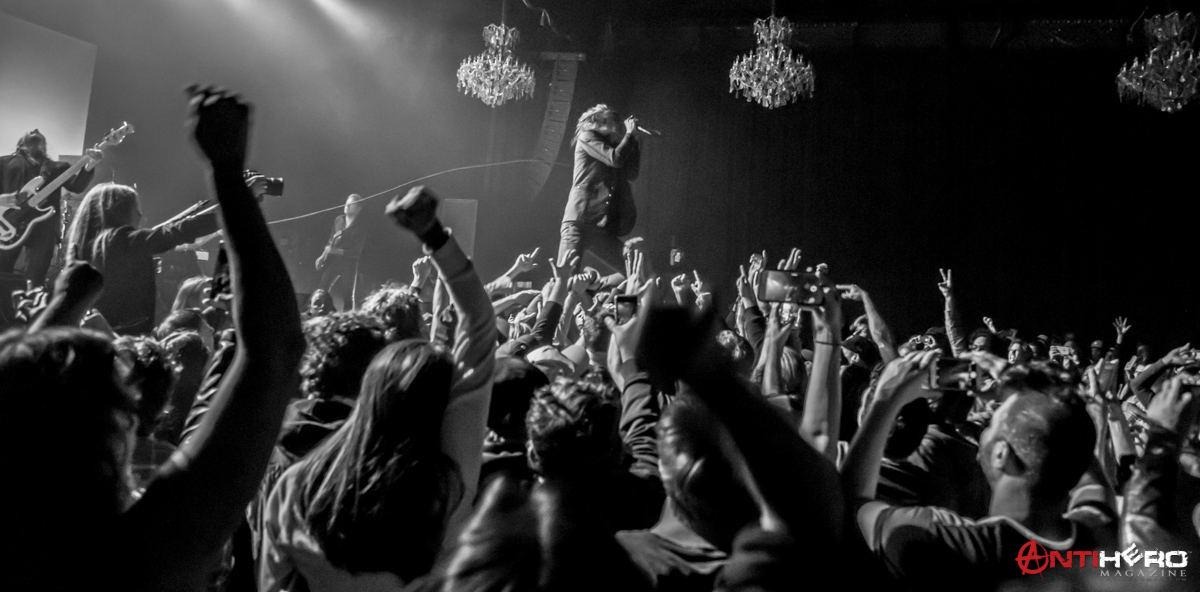
From the first distortion ring to the last fading hum, The Fillmore was a living organism—breathing, screaming, swaying as one. The crowd was a perfect cross-section of today’s underground scene: hardcore kids, shoegaze fans, doomheads, and indie dreamers all converging under the same roof. Between sets, fans traded praise and disbelief—most acknowledging that what they were witnessing felt important.
The lighting was minimal and moody—red haze for Chat Pile’s descent, soft indigo glow for Fleshwater’s ascension. The Fillmore’s famous chandeliers trembled under the weight of sub-bass.
The venue’s mix was immaculate. Chat Pile’s set was pure saturation—raw and immediate, every snare hit like a gunshot. Fleshwater’s sound engineer deserves equal credit; the mix achieved an impossible balance between clarity and chaos, each instrument distinct within the storm.
Performance-wise, both bands gave everything. Busch’s eyes burned with madness, while Shirar’s poise radiated calm intensity. Watching the two back-to-back was like witnessing both ends of the human condition.
This show was not just a concert—it was an emotional cleansing. Chat Pile dragged the audience through the mud of modern existence, forcing confrontation with discomfort and truth. Fleshwater offered redemption through distortion and melody, turning pain into beauty.
It’s rare to see two bands complement each other so perfectly in opposition. The night at The Fillmore was proof that heaviness doesn’t always mean darkness—it can mean honesty, catharsis, and connection.
If this tour comes anywhere near your city, don’t miss it. Bring earplugs, an open heart, and the willingness to feel everything.
Chat Pile
Fleshwater